
Same-Game Parlays: Big Thrill, Bigger Cost?
Same-game parlays promise big payouts and more control, but the math tells a different story. Here’s how sportsbooks price SGPs and why the real cost may be higher than it looks.

Open any major sportsbook app, and it becomes obvious within seconds: same-game parlays are everywhere. You’ll find several offering pre-built combinations, boosted picks, and custom builders, especially in the run-up to big matchups. Over on community spaces like Reddit and Discord, chatter picks up around tickets built with a quarterback passing line, two anytime scorers, and a spread. Loads share their near misses, five legs down, one short, and that fuels plenty of talk about how close they came to four- and five-figure payouts.
There’s an obvious appeal to SGPs. A small stake can turn into a large return, and instead of backing a single angle, you get to map out how you see the game going. Analysts and betting data, though, point to a trade-off, with pricing that is far less favorable than what you get with standard straight wagers. This article breaks down what’s going on behind same-game parlays and looks at whether they make sense as a betting approach, or if the cost runs higher than it first appears.
How same-game parlays work
Same-Game Parlays (SGPs) are a type of bet where you bundle multiple picks from a single match into one combined wager. Instead of going in separately on, say, a team to win and a player to score, you stack those selections together on the same betslip.
Therefore, an SGP ticket would look something like this:
- Man City to win
- Erling Haaland to score anytime
- Over 2.5 total goals
The payout potential here increases quite significantly compared to putting those three picks down as separate straight plays, because you have brought in that parlay angle — one miss and the whole line falls. At the same time, don’t expect the prices on each selection to simply multiply together. By that I mean, if the odds look like this:
- Man City to win: -333
- Erling Haaland to score anytime: -120
- Over 2.5 total goals: -189
Sportsbooks would not just convert -333, -120, and -189 into a combined price by treating each line as independent. The reason is that many outcomes in a same-game parlay are correlated. Should Man City get the win, you are more likely looking at a game with goals, and that puts Haaland in a better spot to get on the scoresheet. The final odds would come out closer to +140 in that example.
➡️ Did you know? Some online betting sites even give you the option to stack together multiple SGPs into a parlay.

What is “Hold Percentage”?
Hold percentage is the share of total money a sportsbook keeps after paying out winning customers. According to the American Gaming Association, the share lands at roughly 9% to 10% across regulated U.S. markets. It’s the expected profit margin, or what many would call the house edge if we were talking about casino games.
In simple terms, it tells you how much of the handle stays with the operator. Handle means all the money people stake. So if a sportsbook takes $100,000 in wagers and pays back $92,000 to winning players, the hold is 8%. That operator held onto $8,000 out of the full amount taken in.
Why do same-game parlays have higher hold
Several research and industry analyses suggest sportsbooks hold around 20% on parlays versus roughly 5% on straight bets. SGPs follow a similar underlying logic.
To understand why same-game parlays have a higher hold, you’ve got to start with the vig. This is a small edge built into every line, and it’s how sportsbooks tilt the math in their favor.
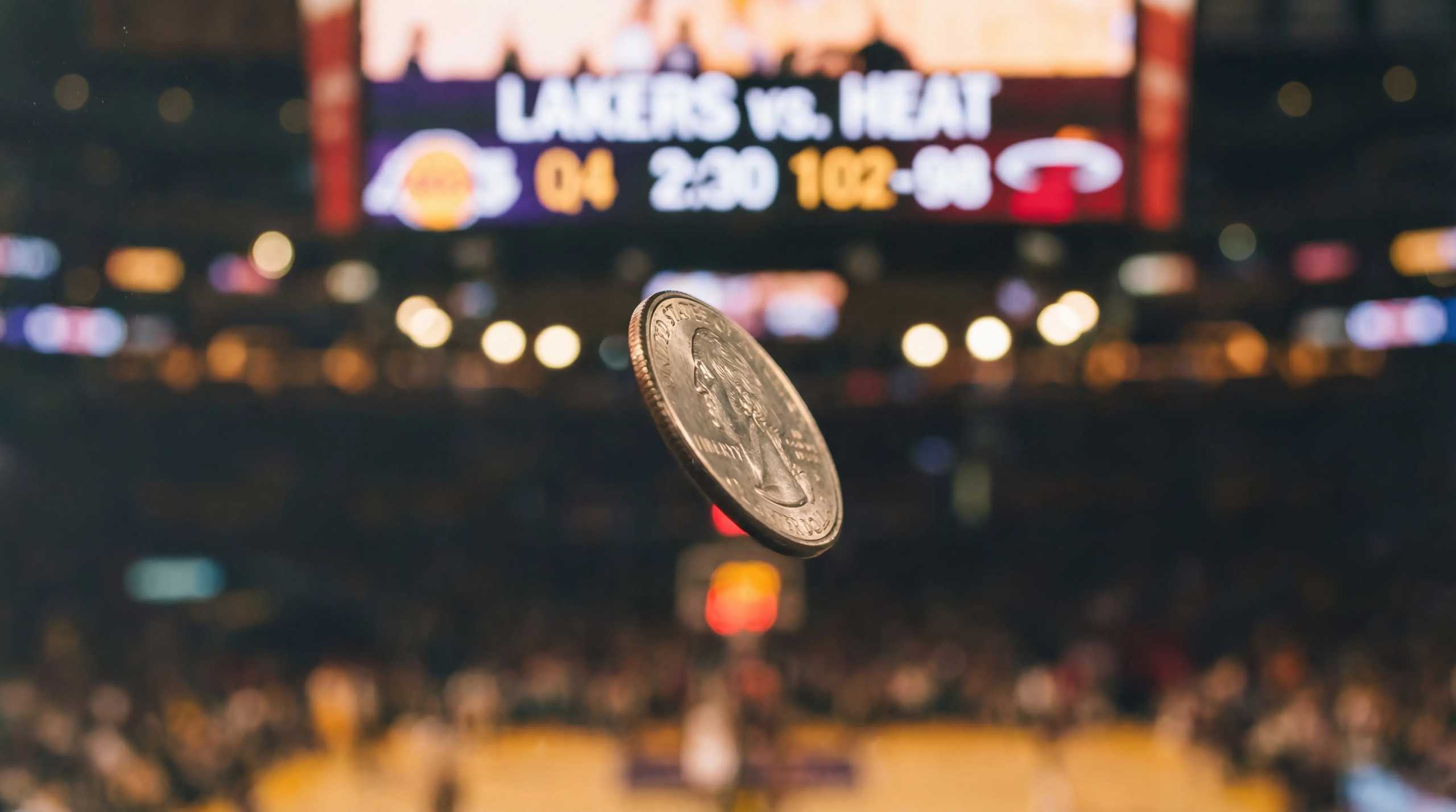
The easiest way to explain everything is via the coin toss example. In a perfectly fair setup, heads or tails is 50/50, so each side should be priced at +100. In reality, you will get something like -110 on heads and -110 on tails. That gap between true odds and what you are offered is the vig, and over thousands of wagers, it adds up to hold, regardless of how each result plays out.
Now, back to the hold. On a typical straight market, the vig is around 4% to 5%. When putting multiple lines into one ticket, each leg still carries its own margin, and the sportsbook also adjusts the combined price to account for the correlation between those outcomes. That extra pricing layer pushes the effective edge higher than a straight bet. Over time, across a large volume of similar wagers, it feeds into a higher hold for the sportsbook.
Straight bets vs same-game parlays: breaking down the math
Straight bets focus on one outcome with a smaller built-in margin. Same-game parlays, on the other hand, combine multiple picks from a single match while pushing the implied chance further above the true probability. Let me put all that into numbers:
- Starting with a straight bet. A -110 line means the sportsbook is pricing that outcome as if it wins 52.38% of the time (true probability is 50%).
- Take a 2-leg same-game parlay with both legs at -110. Each leg is priced at 52.38%, so the combined priced probability becomes 0.5238 × 0.5238 = 27.44%.
The straight bet prices the outcome at 52.38% instead of 50%, while the 2-leg SGP pushes it further to 27.44% rather than 25%, so the gap against you gets bigger with the parlay.

Why bettors love same-game parlays
Bettors love same-game parlays because they’re drawn to the chance of turning a small stake into a large return. Plus, SGPs give a sense of control. And everybody wants that. Several drivers explain the appeal, for example:
- It mirrors how a match gets read in real life: Most people do not think in isolated markets. The instinct is to picture a full scenario. One team builds a lead, the pace picks up, a star player takes over in the fourth quarter, and points stack quickly. Same-game parlays let that full read come together on one ticket instead of being split across separate bets.
- Every moment is now important: An SGP spreads attention across the whole game. Each play feeds into a different part of the bet, so the whole experience becomes about following the flow rather than waiting for one outcome.
- There is freedom to shape the bet: The control part. SGPs let you create a narrative. It feels engaging even at the stage of putting player props, totals, and result markets together, let alone watching the game and rooting for it to play out.
- A smaller stake can reach a bigger number: Same-game parlays open the door to a higher return without needing a large outlay.
- It rewards detailed thinking: Getting the winner right is one thing. Calling who scores, how open the match is, and how it plays out takes a more precise read. Same-game parlays give that level of detail a way to pay off.
- Sportsbooks regularly attach promos to same-game parlays: I’ve seen everything from odds boosts to insurance and free bets tied specifically to SGPs. That adds another layer of appeal, especially when looking to stretch value a bit further on a match already being followed closely.

Are same-game parlays ever worth it?
Same-game parlays are worth it when you see the value in sports betting as having fun rather than chasing every last decimal out of the math. At the end of the day, that’s what all forms of gambling should lean toward.
But if we’re really talking about value in terms of implied probability, SGPs come out worse than taking the same bets as singles. That is, unless you catch a mispriced correlation in there, meaning the sportsbook fails to fully account for how strongly two picks are linked.
The complexity of pricing, however, makes all of this harder to spot in practice. Looking at the 50/50 heads and tails example, that’s rather straightforward. You see -167 on each side, you know the book is pushing it. -115 looks far more reasonable, and -110 is the standard. Now think how much harder it gets to judge value from the off when you’ve got Mahomes over 2.5 passing touchdowns, Kelce anytime scorer, plus the Chiefs -3.5. With legs tied together like that, there’s no clear reference point, so working out what price should look like becomes a lot tougher.
What helps is line shopping. Even the smallest edges can make a huge difference. Check a few sportsbooks and line up the odds side by side. See what each one is offering, then factor in any promos or boosts. Keep it disciplined. Only place a bet when you have a strong read, and do it with the book paying the best price.
The table below compares straight bets, parlays, and same-game parlays across a few core metrics:
Comparison Table: Straight Bets vs Parlays vs Same-Game Parlays
| Metric | Straight Bets | Standard Parlays | Same-Game Parlays |
|---|---|---|---|
| Typical Hold % | ~4% to 5% | ~10% to 20%+ | ~15% to 25%+ |
| Difficulty to Beat | Lower | High | Very High |
| Player Value | Higher | Lower | Lowest |
| Potential Returns | Lower | High | Very High |
| Entertainment Factor | Moderate | High | Very High |
Where same-game parlays fit in your betting approach
Sportsbooks push same-game parlays as a headline feature. Many go as far as turning it into a selling point, even though the long-term expected value for bettors comes out lower than standard straight wagers. What draws people is the bigger potential payouts, along with a stronger say over how the ticket is built, which keeps you far more involved in the game instead of waiting on a single outcome.
No one can deny it — same-game parlays can be a lot of fun. Is it the right bet type to build a strategy around? Probably not. At least that’s what the maths points to. But if they raise the entertainment factor, there’s nothing wrong with setting aside a small portion of your bankroll for the ones you rate most.
Charlon Muscat is an established iGaming expert who entered the space in 2019 and went on to build a name across both casino and sportsbook content.
More Articles like this
From Moneyball to Wall Street: How Big Finance Changed Sports
The people shaping modern sports aren't always coaches or superstars. Increasingly, they're investors, analysts, and data scientists.

By Stuart Hughes
Biggest Sports Rights Deals Ever Signed by Streaming Companies
Streaming giants like Amazon, Netflix, Apple, and YouTube are spending billions on live sports. Here are the five biggest rights deals changing the game.

By Lucie Turner
British Gambling Terms We Should Start Using ASAP
Spice up your gambling vocabulary by adopting delightful British terms like 'flutter' (a little gamble) and 'punter' (a bettor). These phrases are a fun addition to the American betting lexicon.

By Cole Rush
What's the Best World Cup Since 2000? The Definitive Ranking
From Ronaldo's redemption in 2002 to Messi's coronation in 2022, Bodog ranks every FIFA Men's World Cup since 2002

By Pat Evans
Welcome to Swansea? The Clubs Chasing Wrexham's Success Story
Celebrity owners and football results turned Wrexham into a global phenomenon. Now, a new wave of clubs is chasing that magic.
By Pat Evans
How World Cup Eligibility Rules Give Small Nations Hope
Keeping pace with soccer’s traditional powers has never been easy. But more countries are finding ways to narrow the gap.

By Charlon Muscat


